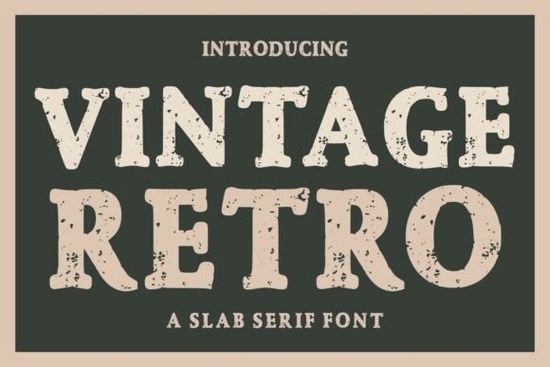
Finding a typeface that actually looks like it belongs on an old whiskey crate or a worn-in ranch sign can be harder than it sounds. Most fonts labeled "vintage" end up feeling thin or overly polished. That is where Vintage Retro Font steps in. It is a slab serif display font built around bold, blocky letterforms with a genuine distressed finish. The texture is not just a filter thrown on top it is embedded into the glyphs, giving each character an aged, printed feel that mimics old letterpress work and faded signage.
What makes this slab serif different from other vintage fonts?
Most retro-inspired fonts lean either fully decorative or fully clean. This one sits in the middle with a rugged, handcrafted presence. The slab serifs are thick and stable, so the font stays readable even at smaller sizes, but the rough edges and worn spots keep it from looking too stiff. If you have worked with Rusted Grunge Font, you will notice a similar dedication to authentic weathering though this typeface carries a more western, Americana flavor rather than a heavy industrial one.
Designers who need a typeface that works equally well on a digital mood board and on physical merchandise will appreciate how the texture interacts with different backgrounds. On a kraft paper texture or a dark navy background, the white or light-colored letters look stamped on. On screen, the same letters bring a tactile warmth that flat vector fonts just cannot match.
Which projects actually benefit from this kind of distressed slab serif?
Not every design needs a worn look. But for certain niches, this style is exactly what sells the concept. Here are the areas where Vintage Retro Font fits naturally:
- Whiskey and spirits labels – Small-batch and craft distilleries often go for that old-west or prohibition-era feel. This font delivers it without extra illustration work.
- Café and restaurant menus – Rustic diners, barbecue joints, and coffee shops use this style to communicate homemade quality and tradition.
- Apparel designs – Screen-printed t-shirts and hoodies with western or outdoor themes look authentic when the lettering already has wear built in.
- Logos for handcrafted brands – Woodworkers, leather crafters, and soap makers can pair this font with a simple icon for a cohesive brand mark.
- Posters and event flyers – Rodeos, county fairs, live music nights, and vintage market events benefit from the bold, readable headline presence.
The font also works well in badge-style layouts where the text wraps around a central graphic. The slab serif structure keeps everything tight and legible even when curved or stacked.
Does the distressed texture hurt readability at small sizes?
This is a fair concern. Many textured fonts become a messy blur below 24 points. Rusted Grunge Font handles this well because the wear marks are concentrated on the edges rather than across the whole letterform, and the same design thinking applies here. The core of each character remains solid, so readability holds up better than you would expect from a heavily distressed typeface.
For body text or small subheadings, keep the point size above 18 and avoid placing it on busy background patterns. On solid or lightly textured backgrounds, even smaller sizes work fine. If you are designing for print, test a physical proof before committing to a large run what looks crisp on screen can sometimes lose detail on paper.
Can print-on-demand sellers use this font commercially?
Yes, and this is one of the strongest use cases. Print-on-demand products like custom mugs, posters, tote bags, and apparel need bold typography that catches attention in a crowded Marketplace. The vintage slab serif style fits popular aesthetics such as farmhouse decor, outdoor adventure, and retro Americana.
The distressed finish also helps mask minor print imperfections. When you are working with POD suppliers, slight misalignments or uneven ink coverage are common. A font that already looks intentionally worn handles those imperfections better than a pristine sans serif would. That is a small practical advantage, but it saves time on customer service requests.
Small business owners creating labels for homemade goods like hot sauce, honey, or candles can also use this font to build a consistent brand identity. Pair it with a muted color palette olive green, mustard yellow, rust orange and the whole package looks like it came from a century-old family recipe.
A quick setup tip before you start designing
When you first load the font into your design software, open the glyph panel to check for alternate characters. Many slab serif fonts include extra swashes or slightly different letter shapes. Swapping a standard "E" or "R" for an alternate version can make your design feel more custom without extra work. Try it on a single word in your layout like the name of a brand or product and see if the variation adds the handcrafted feel you are after.
If you are layering the font over a photo or textured background, duplicate the text layer, shift it slightly by one or two pixels, and set the opacity lower on the back layer for a subtle shadow effect. That small trick gives the lettering more depth and makes the distressed edges pop.
Next step: open your current project and swap your standard headline font with this slab serif. See if the whole composition feels warmer and more grounded. That is usually all it takes to know if the style fits your direction.
Get Started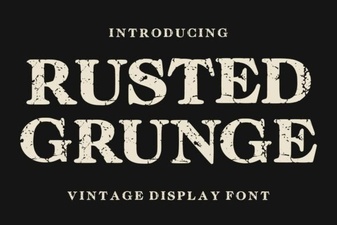 Rust Grunge Fonts: Design Ideas & Creative Projects
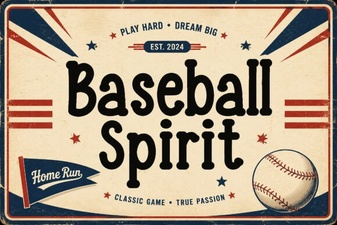 Designing with the Baseball Spirit Font Style
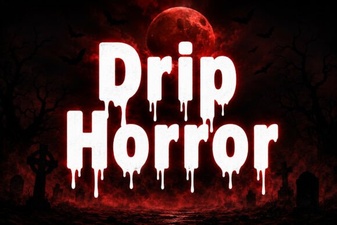 Drip Horror Font for Creative Design Projects
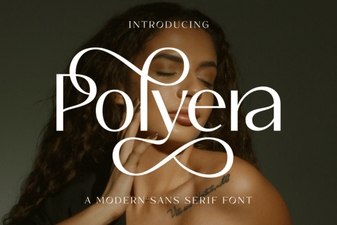 Polyera Font: a Futuristic Design Resource
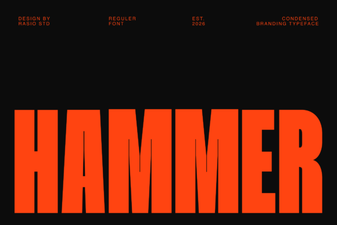 Hammer Font: Bold Designs for Your Creative Projects
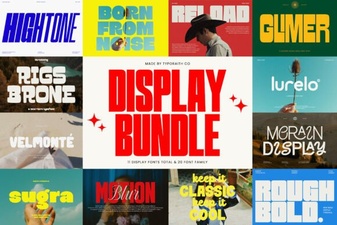 Creative Font Bundles for Display Projects