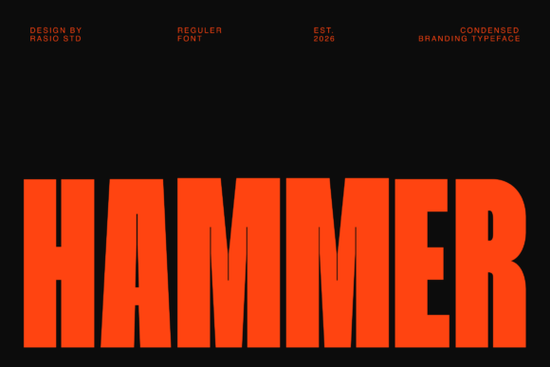
If you're looking for a bold, condensed sans serif that stands out without sacrificing readability, Hammer Font is worth a closer look. Its tall, compact letterforms pack a lot of visual punch in a small horizontal space, making it ideal for headlines, posters, and any project where you need to grab attention quickly. Whether you're designing sports graphics, streetwear logos, or editorial layouts, this font delivers the impact you want without feeling cluttered.
What makes Hammer Font different from other condensed fonts?
Many condensed fonts feel cramped or lose legibility at small sizes because they compress letters too aggressively. Hammer manages to keep each character wide enough to read easily while still giving you that space-saving, upright profile. The design is clean and geometric with subtle rounded corners, so it feels modern but not aggressive. This balance between boldness and readability is exactly what you need when you have limited space like on a flyer or a social media graphic and still need the text to be understood at a glance.
How does it hold up in print-on-demand projects?
If you sell t-shirts, mugs, or posters, you know that text needs to work both on screen and in print. Hammer Font handles this well because its stroke widths are consistent, which prevents thin parts from disappearing when printed small. I've tested it on mockups and it looks especially strong on dark backgrounds with white or bright contrast colors. For a classic sporty look, pair it with a similar bold sans serif like Bumble for subheadings or accent text.
Can it work for branding and logos?
Yes, but with a caveat: because the font is so tall and condensed, it works best for short brand names or single words. If your business name is longer, consider using it for the primary word and a lighter companion font for the rest. The compact structure saves space on business cards and website headers, and the bold weight helps your brand name stay visible even when it's scaled down. For a futuristic or tech-driven brand, you might also explore the Futuristic Bundle Vol02 which contains several complementary condensed styles.
What about sports graphics and streetwear?
This is where Hammer Font really shines. The tall, bold forms are made for jersey numbers, player names, and slogans that need to be readable from across a room. In streetwear, the condensed look is popular for sleeve prints, hat embroidery, and tag designs. Because the font doesn't have unnecessary flourishes, it keeps a raw, utilitarian feel that fits modern streetwear aesthetics. You can combine it with Green Summer font for a playful contrast in color-based designs.
Is it easy to read in long paragraphs?
Hammer Font isn't meant for body text it's designed for short, impactful lines. If you try to set a long paragraph, the condensed spacing will tire the eyes quickly. Stick to headlines, subheadings, callouts, and short blocks of two to three words. For context, its readability is excellent for titles on PowerPoint slides, YouTube thumbnails, and email headers.
- Best uses: posters, banners, magazine covers, logos, sports uniforms, streetwear prints, social media graphics.
- Avoid using it for: long articles, book text, captions under 10px, or overly complex layouts where it competes with other bold elements.
- Pairing tips: use with a simple serif or a light sans serif for contrast. A thin weight of the same family (if available) works well for secondary info.
How does it compare to other bold fonts I already own?
If you already have a standard bold sans serif like Arial Bold or Impact, you'll notice that Hammer is narrower per character. That means you can fit more letters into the same width, which is useful when you have strict space limits. The vertical height is also more pronounced, giving it a “premium” feel similar to high-end fashion logos. However, if your brand needs a rounder, friendlier look, you might prefer something like this condensed option (the same font's product page) with slightly softer edges.
What file formats are included, and can I use it commercially?
Like most Creative Fabrica fonts, Hammer comes in OTF, TTF, and WOFF formats, so it works in everything from Adobe Illustrator to Canva and Silhouette Studio. It's also licensed for commercial use, meaning you can use it on products you sell, including print-on-demand items, digital downloads, and client projects. Just check the specific license details when you download, but standard usage covers most small businesses and independent creators.
One practical tip: if you're designing a product that requires small text (like a knife handle or keychain), test Hammer at the actual print size first. Because it's condensed, tiny letters might blend together if your printer doesn't handle fine lines well. A scale of 5mm or larger usually works fine for most applications.
Practical checklist before you start using Hammer Font
- Test readability on both screen and print at your target size.
- Pair it with a neutral body font (like Open Sans or Lato) for multi-page projects.
- Check contrast – light or medium backgrounds work better than busy photos.
- Use kerning if your software allows it; condensed fonts sometimes benefit from minor spacing tweaks.
- Download and install the OTF version for best performance in design software.
Next step: grab a mockup template for a poster or t-shirt and try out Hammer Font with a bold color palette. See how it feels in real use you'll quickly spot if it fits your brand or you need a different weight.
Explore Design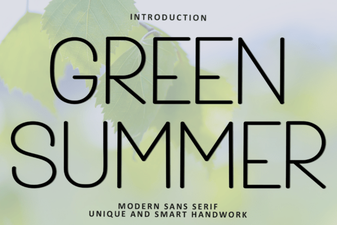 Fresh & Creative Green Summer Font Projects
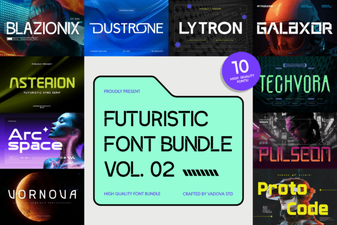 Vol.02 Font Bundle: Futuristic Project Assets
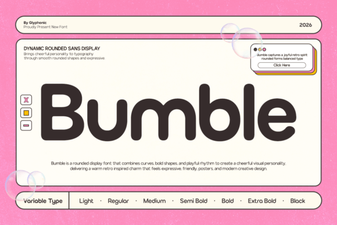 The Bumble Font for Creative Branding & Design
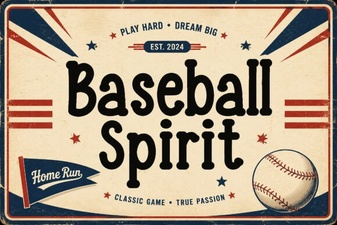 Designing with the Baseball Spirit Font Style
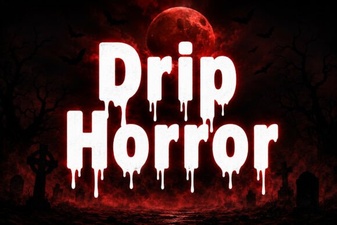 Drip Horror Font for Creative Design Projects
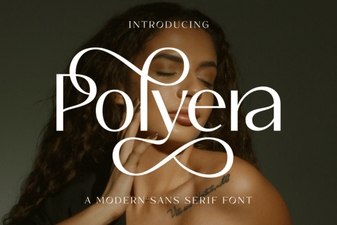 Polyera Font: a Futuristic Design Resource